

Urban Waters Workshop
Topic 1: Groundwater and its participatory management
- Dr. Himanshu Kulkarni, ACWADAM
- Through citizen participation, ACWADAM created an aquifer map, which was 85% accurate when compared to a technical survey.
- Pune states that it is completely dependent on surface water but ACWADAM’s research showed that 50% of the water supply in Pune comes from groundwater.
- Case Study of Bhuj, making Bhuj self-reliant on its water resources through participatory groundwater movement.
- Government officials, volunteers, academicians, citizens and NGOs all came together. Trained ‘Bhujal Jankars’ for aquifer mapping and monitoring. With everyone’s help, they have created a groundwater recharge plan for Bhuj.
- Shubha Ramachandran, Biome
- Spoke about Participatory Aquifer Mapping in Sarjapur Road in Southeast Bengaluru.
- Most of peri-urban Bangalore depends on groundwater as they are not connected to the Cauvery water supply.
- Move away from the idea that the deeper you go, the more water you find.
- Rainbow Drive, a private layout that is completely independent of public water supply shows the benefits of shallow aquifer recharge.
- Eklavya Prasad, Megh Pyne Abhiyan
- Created a group of students from Carmel school to become the future water leaders, they are called the Gang of 20.
- The student participation survey showed that 65% depended on groundwater, 31% on piped water supply and 4% depended on both.
- Why is Dhanbad Municipal Council (DMC) so focused on piped water supply when most of the people depend on groundwater?
- Shubha Avinash, Karnataka State Natural Disaster Monitoring Center (KSNDMC)
- Marked 174 most floodable areas in Bangalore.
- Rain gauge, weather sensors and water level sensors set up in Bangalore. There are 100TRG in BBMP area, 6 TWS and 6 water level sensors to monitor and manage water levels.
- Use hydrological modeling and flood forecast systems to create an early warning system.
Bhakti Devi from Neer Infinite provides hands-on training to teach participants how to provide solutions to apartments, Bangalore Apartments Federation (BAF) stated that BAF has over 4,000 apartments participating in better water management and they also created the ‘half bucket challenge’ to encourage citizens to save water during the summer, and Virupax from Smarter Homes spoke about their water metering systems that help communities save over 35% of their water.
Discussion
Some key points that came up during the Open House are:- How do we ensure equitable distribution of groundwater?
- How do you ensure everyone in the “community” is involved?
- Once groundwater data is shared publicly, how will it affect real estate, migration and government deals?
- How do we change the psychology related to groundwater?
- Spoke about the learning pedagogy at CEPT and how learning is emphasized through practical research, lectures, field visits, studios and by considering different stakeholders such as NGOs, civil society organizations and government organizations.
- A studio project is where students engage with local governments and practitioners to work on existing development plans and projects. Some water and sanitation studio exercises are City Sanitation Plan for Kalol Nagarpalika, water services and sanitation in Surat Metropolitan area, and Water and Sanitation in Vadodara.
- Neha Sarwate, MSU
- Vishwamitri River System: lessons towards reviving Vadodara’s vital lifeline.
- Meandering river indicates that its living, common trend to straighten its path indicates that the river is being killed.
- Taking a multi- and interdisciplinary approach by working with architects, geographers, botanists, zoologists, engineers, wildlife experts, students, activists, economists, sociologists and hydrologists.
- Understand the importance and role of academia.
- Inclusion of ecological sciences and ethics across all levels of academic curriculum.
- Sachin Tiwale, TISS
- TISS created a center for water policy, regulation and governance
- Interdisciplinary approach to education; law, economics, finance, hydrology, hydrogeology, water chemistry and social sciences
- Moving beyond centralized water supply system to meet the water requirements
- Ananth Mariganti, Hyderabad Urban Lab (HUL)
- Definition of local varies with time, there is no clear definition of what is a local. New sewage lines added to a local storm water drain, eventually becomes “local”.
- Before proving solutions, the problem itself needs to be understood thoroughly. It’s important to redescribe the existing problems in understandable ways, instead of proving new solutions.
Discussion
Some key points that came up during the Open House are:- Improve the connection between education and policy, think more about real life applications rather than theories.
- How do you improve communication between departments in an institution?
- We need both soft advocacy and hard advocacy, but hard advocacy costs a lot of money and time.
- What approach do you take for riverfront design at universities, is there a fixed way of thinking or a question up for debate?
- Start education on environment and ethics early not just in higher education.
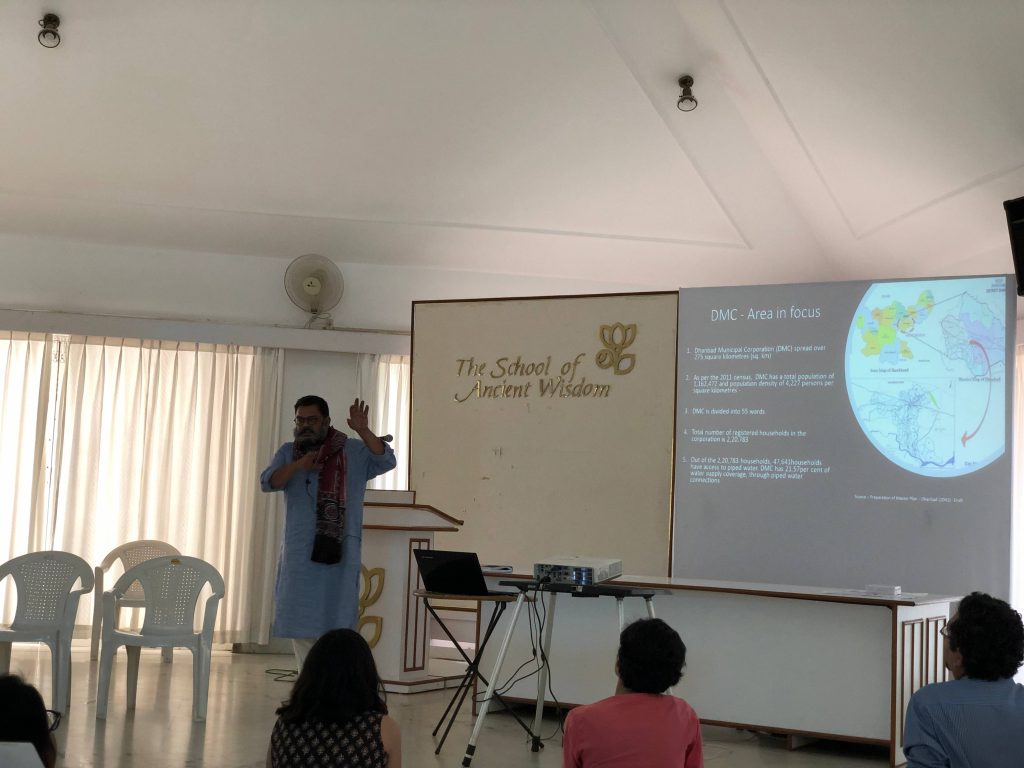
Ekalavya sharing his experiences
Topic 3: Lakes/rivers/canals revival and community participation- Akshay Agarwal and Lokesh Ohri, Been There, DOON That
- Reviving Uttarakhand’s heritage of irrigation canals through citizen participation.
- Organize historical/cultural walks and talks about the canals.
- They have been able to save small stretches but hope to work more with the locals and the government bodies to save the canals in Dehradun.
- Ajay Nayak, RIVER-se
- Revival of Dahisar, Boisar and Oshiwara river in Mumbai.
- Focused on how to create an identity with the river for people to connect with.
- Community engagement from local stakeholders, tribal communities living along the river, dhobis, missionary workers, social activists, students.
- Organized workshops, volunteering activities, tree planting drive and River March.
- Dr. Annapurna Kamath, Jalaposhan
- Nurturing Jakkur lake.
- Jakkur lake receives treated wastewater which enters a constructed wetland before entering the lake.
- Considered all stakeholders from fishermen, grass cutters, washermen, local residents, migrated residents and elected representatives.
- Collaborate with all stakeholders to resolve issues, the citizen group acts as point of convergence for all agencies.
- Shailaja Deshpande, Jeevitnadi- Living River Foundation
- Revival of river Mutha through public participation.
- All programs organized by the riverbanks: Kathak, puppet show, nature trails, science magic, street plays, kirtan and saritayan.
- Organized different events such as Muthai Festival, Muthai Walk, River Story, Adopt a Stretch and Toxin Free Lifestyle.
Discussion
Some key points that came up during the Open House are:
- How difficult is it to start an initiative?
- Are these initiatives sustainable?
- How do you get funding for these initiatives, and is it hard to get funding?
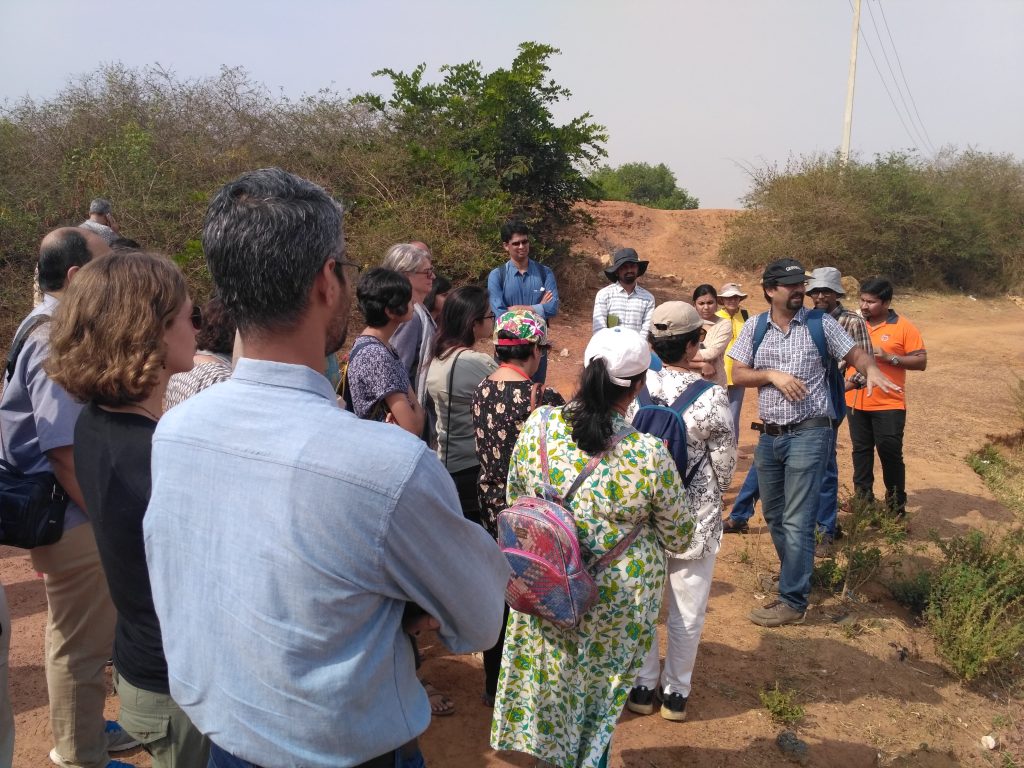
Avinash starting the site visits by introducing Devanahalli Town
Topic 4: Protecting and rejuvenating local water bodies: battling vested interests and citizen-governance engagement- Chetan Agarwal, Center for Ecology Development and Research (CEDAR)
- Mostly worked in Himalayan and Aravalli towns.
- Case against the State of Haryana that claimed an area was not part of a forest, planned on cutting 7,000 trees for a housing project but the NGT judgement stated that the land in question is held to be a ‘deemed forest’.
- Zoning and protection of natural recharge areas such as the Aravallis, water bodies, nullahs and flood prone areas will reduce the risk of flooding.
- Sarang Yadwadkar, Justice for Rivers
- Encroachment of lakebeds, so drastic that a lakebed was moved from the left side of a river to the right side of a river.
- Flood-line maps, ignored during construction.
- A question he posed is “Are we only tackling the symptoms or are we addressing the root cause? What are the root causes?” Some possible root causes are insufficient laws, incompetent bureaucracy, greed, apathy and shortage of natural resources.
- Ramprasad, Friends of Lakes
- Conflicts within lake groups themselves, no clear solution or idea.
- We need both soft advocacy and hard advocacy groups to get work done.
Discussion
Some key points that came up during the Open House are:
- How to legally fight an encroachment case?
- Experience taking up a case against the NGT.
 The site visits were followed by a discussion on the site visits and ended with a discussion on how to move forward with the workshop.
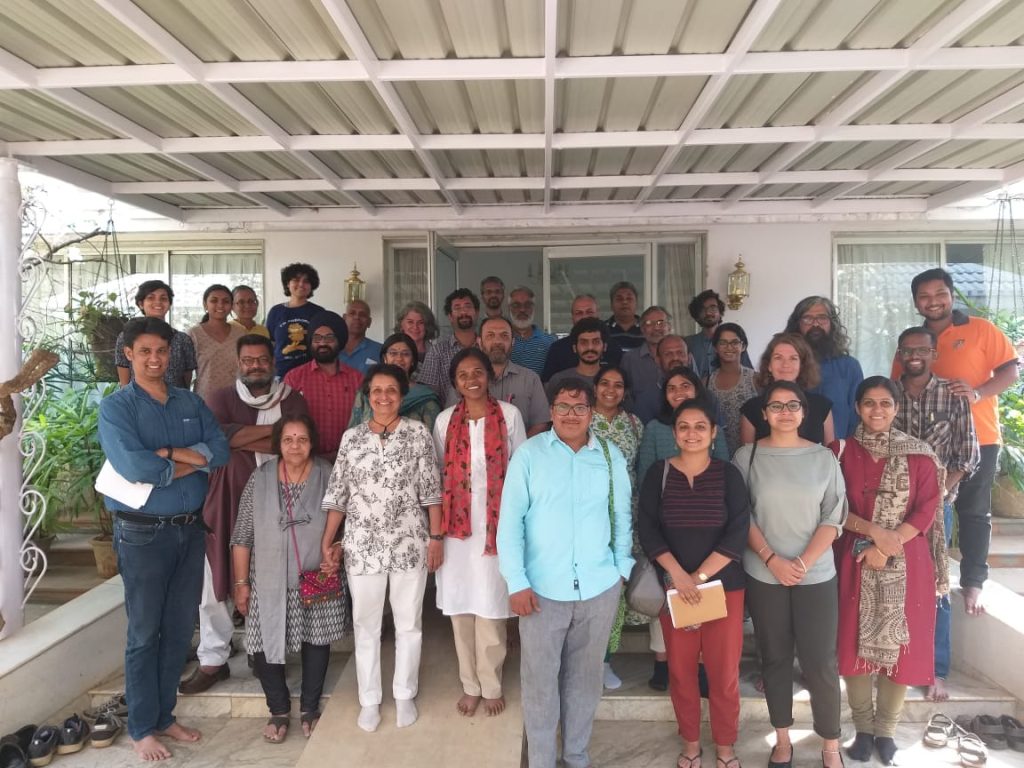
Concluding thoughts on the workshop
Overall, the workshop was a great place for people from different backgrounds to interact with each other and share their knowledge and experiences.Urban Waters Forum workshop 2.0
Introduction
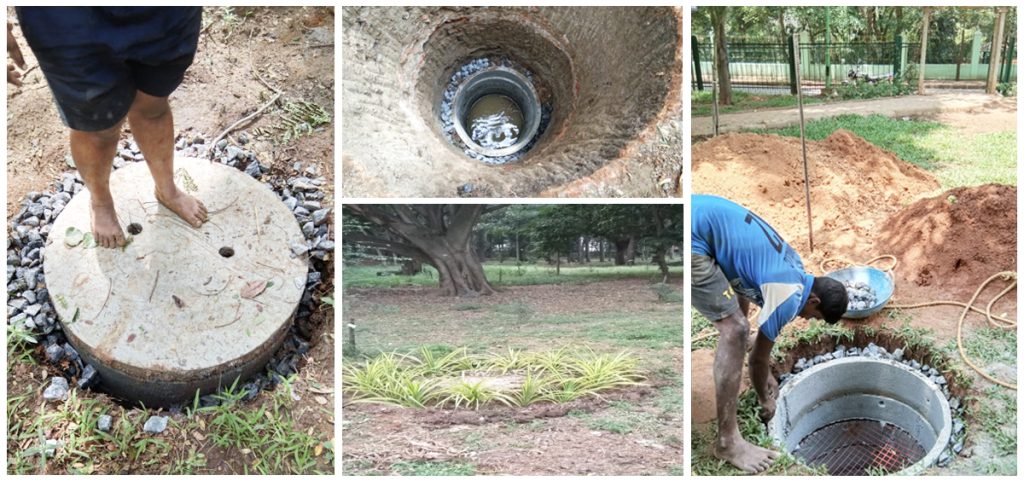
The second edition of Urban Waters Forum workshop 2023 was conducted on March 15 and 16, 2023. It brought together water practitioners from across the country for an exchange of knowledge, including new developments in their respective domains of work. There were around 60+ members including academicians, lake group members, water professionals, government officials, and representatives from various states like Maharashtra, Kerala, Gujarat, West Bengal, Jharkhand, Uttarakhand and Karnataka. The first day of the workshop had field visits to see the integration of shallow aquifers into water supply systems, and to understand the challenges of peri-urban town water management. The team visited:- Open wells revived in Hunasamaranahalli TMC
- Open well in Devanahalli, located adjacent to the SihiNeer Kere (lake)
- Devanahalli Fecal Sludge Treatment Plant


The purpose was to show how local community action has driven local water resource management. A plenary session was organized to discuss and set the context for “Framing the challenges of water management for the town”, curated by three speakers–Dr. Jagdish Krishnaswamy (IIHS), Mr Vishwanath Srikantaiah (Biome Environmental Trust) and Dr. Himanshu Kulkarni (ACWADAM). They talked about the social, ecological, economic and institutional perspectives of water management. On the second day, urban water practitioners spoke about their work on local water resource management. The themes varied from “shallow aquifer in the city”, to “used water and its management” and “the city and the monsoon experience”. Each of the presenters and participants in the workshop came in with unique experiences, talked about the praxis, and presented the themes in various contexts. The forum was a space for the team to reflect, enquire, question, and informally discuss the challenges and opportunities that they experience in the field. These interactions among practitioners were intended to create pathways for potential solutions and future collaborations.
The need for an Urban Waters Forum
Supported by Wipro Foundation in their quest to be more responsible corporate citizens, and to address the challenges of collective stewardship of our common urban water resources, especially our groundwater aquifers and local lakes, Biome had put together bengaluru.urbanwaters.in, with the most important and actionable resources of our ongoing learnings. This website was intended to serve as a community resource for all to learn from and share.
This has now expanded to become www.urbanwaters.in, a webspace that has evolved into an ongoing comprehensive knowledge base for the urban waterscape. The webspace seeks to inform, guide, and provide any and all resources to all of us to make us water-literate, solve our individual or community water problems and act responsibly by taking care of our common urban water resources. It seeks to help make us a part of the solution rather than being a part of the problem. With Wipro’s support, Biome organized the first Urban Waters Forum workshop in March 2019. The success of this meeting prompted the thought of a regular annual event, which couldn’t be organized in the following three years because of the pandemic. At this meeting, the idea of the forum was discussed again. During the concluding session of the workshop, Dr. Himanshu Kulkarni put forth pertinent questions to the team and brainstormed ideas around what role this Forum will play, what/how each can contribute to its richness, and how this can feed into the institutional and governance space. It is envisioned that the Urban Waters Forum will be a space for the shared interests of various individuals and organizations working in the water sector, to leverage their combined strengths of citizen engagement, hydrogeology expertise, and participation-oriented digital tools, with the intent of trying to understand how to manage the urban water resources collectively. This Forum hopes to bring together the knowledge, experience, and practice of many individuals, communities, practitioners, citizen activists, and researchers.


Urban Waters Forum 2024 – Indian Institute of Technology (Bombay)

Urban Waters Forum 2024 started with a welcome address by Prof. N. C. Narayanan, Head of Ashank Desai Centre for Policy Studies (ADCPS), IIT Bombay. It was inaugurated by Prof. S. Sudarshan, Deputy Director (AIA) of IIT Bombay.
Prof. Sudarshan mentioned the importance of conserving water in the era of climate change and stressed on events like UWF, where people working on water challenges across the country could come to a common platform and discuss the challenges and potential solutions to its water-related problems. Mr. P. S. Narayan, Global Head at Sustainability and ESG, Wipro Ltd gave the vote of thanks in the inaugural session.
Plenary session: Framing the challenges of Urban waters management
The plenary session on “Framing the challenges of urban water management” was moderated by Prof. N. C. Narayanan. The three key speakers were Prof. Amita Bhide from TISS who spoke on the right to the city as a marker of water equity in Mumbai; Dr Veena Srinivasan who spoke on the Ecological implications of urbanization on water and the need for innovations; and Mr. S. Vishwanath who presented on the institutional challenges of managing urban water.
Prof. Bhide started with the idea of the right to the city as the rights of various social groups in the city. Water equity can be seen through multiple geographical layers, and has multiple dimensions like access, cost, quantity, quality, timing, and assurance of service. Equity is generally expressed in terms of access and output. However, it should also be considered as a process.
Dr. Srinivasan pointed out six key reasons for wastewater going unused. These include lack of system coordination, no physical distribution, improper STP selection, design and O&M, no proper monitoring protocol, negative cultural perception and no economic case for wastewater reuse. A possible way forward can be to come out of the one-size-fits-all approach, adopt circularity and the right mix of solutions for sewage management, as the city develops from low density to high density.
Panel 1: Urban Waters supply in Mumbai
The session focused on delving into the multifaceted challenges and potential opportunities concerning urban water supply in Mumbai. The discussions encompassed various dimensions such as infrastructure, economics, equity and sustainability. Dr Sachin Tiwale commenced the discussion by presenting data illustrating the existing water supply scenario in Mumbai, shedding light on the disparity between demand, deficit and supply across different zones within the city. However, concerns were voiced regarding the politicization of data and the potential overestimation of water demand, prompting a critical examination of the presented figures. Additionally, attention was drawn to the issue of unequal access to water resources, particularly in marginalized areas such as slums, underscoring the urgent need for interventions to address this disparity.
The feasibility and sustainability of implementing a 24/7 water supply model in Mumbai came under scrutiny, spearheaded by Dr. Pradip Kalbar. He advocated for a shift in focus towards strategies like loss reduction and demand management and exploring alternative solutions such as decentralized wastewater treatment, positing them as potentially more viable and sustainable alternatives. Socio-economic dimensions of water access were further dissected by Mr. Sitaram Shelar, who highlighted the historical and ongoing inequities based on factors like caste and socioeconomic status.
He stressed the imperative of inclusive water management practices, which consider the vulnerabilities of marginalized communities, aiming for a more equitable distribution of water resources.
Mr. V.K Madhavan brought attention to the prevalent reliance on water tankers as symptomatic of the shortcomings within the existing water supply system, accentuating the widespread lack of access to public taps for a significant portion of the population. He underscored the necessity for institutional reforms and cross-sectoral collaboration to tackle water challenges holistically, extending beyond the confines of Mumbai and toward ensuring long-term sustainability. Throughout the discussion, various key points emerged. These included the accountability of institutions and elected representatives, the contextual effectiveness of 24/7 water supply models, strategies for addressing social inequalities in water access, and the potential role of initiatives like the Jal Jeevan Mission (JJM) in enhancing public water utilities.
In conclusion, the session aimed to provide a nuanced understanding of Mumbai’s intricate water supply challenges, fostering a dialog aimed at identifying sustainable and equitable solutions. By examining the issues from multiple perspectives and engaging in constructive discourse, the session sought to pave the way for informed decision-making and collaborative action toward improving the water supply infrastructure and ensuring access for all residents of Mumbai.
Panel 2: Ecosystems and livelihood impacts
Ms. Rajas Phadke – Introduction to ballast water: implications on urban habitats: Insights gained from the discussion on ballast water management highlighted the global scale and impact of this issue. With billions of liters of ballast water transported annually, the potential for introducing invasive species and pollutants into marine ecosystems is significant. This necessitates international collaboration and robust regulatory frameworks. The ecological and economic ramifications of invasive species highlight the urgency of effective ballast water management practices. Regulations such as D1 and D2 play a crucial role in setting standards and guidelines for ballast water treatment and management. Regulatory measures are important tools in addressing complex environmental challenges. Continued research, innovation and education are essential to develop more effective treatment systems, improve monitoring and compliance measures, and foster a culture of responsible ballast water management among stakeholders.
Prof. Ajay Deshpande – Infrastructure development and fisherfolk livelihoods: The destruction of coastal areas is primarily driven by the construction of coastal infrastructure such as highways, ports, tourism projects, and industrial facilities like chemical and petroleum storage facilities and thermal power plants. These developments often lead to significant ecosystem loss, especially mangrove destruction, which is critical for coastal resilience. The social impacts are also profound, with issues like external migration due to ecosystem loss and conflicts over fisherman rights arising. Litigation surrounding such cases needs comprehensive evidence. Moving forward, conducting coastal vulnerability and risk assessment studies for the entire coast is essential. Meaningful public consultations and co-producing knowledge is also critical. These processes can ensure sustainable coastal development and minimize negative impacts on coastal ecosystems and communities.
The water treatment carried out at the Bhandup complex highlights the importance of investing in modern treatment facilities. The old treatment plant has a high potential capacity. However, the new plant commissioned in 2014 with a capacity of 900 MLD demonstrates the benefits of modernization. The average treatment cost per cubic meter of INR 1.28 indicates a cost-effective approach. This is especially so, when compared to traditional treatment processes.
The potential revenue saving of Rs 242 million further underscores the economic benefits of the new plant. The focus on water treatment at the source, as opposed to traditional methods, is cost-effective. It also helps in avoiding treatment costs associated with the Sanjay Gandhi National Park (SGNP). This case study highlights the importance of investing in modern water treatment facilities to improve efficiency, reduce costs, and mitigate environmental impacts.
Dr. Haripriya Gundimeda – Ecosystem services: case of Sanjay Gandhi National Park: The concept of ecosystem services in Sanjay Gandhi National Park (SGNP) accentuates the interconnectedness of nature and society, where changes in biophysical indicators can significantly impact the provision of these services. Recognizing the importance of coexistence, and exploring innovative financing mechanisms, is crucial for ensuring the park’s protection for future generations.
Investing in nature-based solutions over technological interventions preserves the park’s efficient services. It also aligns with sustainable development goals. Besides, identifying win-win opportunities that benefit locals, businesses, the global community, and policymakers can enhance conservation efforts and promote harmonious relationships between society and the park.
The speaker emphasized the importance of engaging local communities as stewards of the park. Such engagement can amplify conservation efforts and foster a sense of ownership and pride among residents. By involving locals in decision-making processes and providing them with opportunities for sustainable livelihoods linked to conservation, the park has the potential to become a beacon of community-led conservation. This approach enhances the effectiveness of conservation strategies. It nurtures a sense of responsibility and connection to the park’s ecosystem as well. Through collaboration with stakeholders at all levels, including government bodies, NGOs, and the private sector, SGNP can serve as a model for sustainable conservation practices that benefit both people and nature.
Mr. Debi Goenka – Infrastructure and development: The discussion highlights the conflict between natural and man-made infrastructure, particularly in Mumbai’s coastal areas. Concerns are raised regarding the arbitrary nature of hazard line provisions and the increasing construction of high-rise buildings despite the known risks. The applicability and sustainability of projects like the coastal road are being questioned. This reflects broader debates on development concepts.
Mangrove destruction, often due to housing projects and illegal activities like mud flats plantations, is a key concern. The lack of consideration for climate change in decision-making processes further complicates these issues. The recent directive to classify mangroves as forests and the conversion of protected forests to reserved forests signal positive steps toward conservation. However, these measures also underscore the need for stricter enforcement and holistic planning to ensure sustainable development in coastal regions.
The discussion highlighted the need for comprehensive urban planning that integrates ecological considerations. This includes prioritizing green infrastructure, such as mangrove restoration and protection, as a critical component of coastal resilience. Collaborative efforts involving government agencies, local communities, and environmental organizations are essential for effective mangrove conservation. The speaker also mentioned that there is a growing recognition of the importance of incorporating climate change adaptation strategies into urban development plans. Implementing nature-based solutions, such as green spaces and sustainable drainage systems, can help mitigate the impacts of climate change while enhancing the overall quality of life and sustainability of coastal cities like Mumbai.
Panel 3: Wastewater services and its challenges
The panel discussion was predominantly on wastewater management and governance. The introductory session stressed on scaling FSSM in Maharashtra by Prof. Dinesh Mehta. He shared that Maharashtra is one of the most urbanized states in India. However, only 48% of the state’s population has access to piped sewer networks. Prof. Mehta’s work initially emphasized making the ULBs in the state of Maharashtra open defecation free (ODF).
He, alongside his team, developed frameworks for ODF, ODF+, and ODF++ that were later adopted by the Government of Maharashtra (GoM). He started his journey from Wai and Sinnar towns in Maharashtra state. These were the first ULBs he worked with. He considers them as the initiative’s urban laboratories. They introduced a system of low-cost nature-based solutions with simple sludge drying beds in these towns. The significant lessons learned from the cases were the recognition of FSSM as a mainstream municipal service.
Mr. Viraj Joshi deliberated about the case of Mumbai in the background of circular economy in wastewater management. He revealed that the city of Mumbai receives nearly 3,750 MLD freshwater supply, of which only 2,190 MLD [1] sewage is collected from the STPs. He endorsed the need for circularity in the wastewater management sector, especially in Mumbai. He presented a grim scenario, where the demand for FSTPs has gradually increased as the wastewater is being discharged into the creeks.
To address the situation, he suggested the 3R concept of circular economy, i.e., reduce, reuse, and recycle to manage the city’s wastewater. He advocated that the way forward at the national and state levels is to enhance the capacities at ULBs with the help of effective IEC and BCC strategies. He also proposed the framework to reuse treated water as TW, TW+, and TW++ (which is in line with the concepts of ODF, ODF+, ODF++) for different industries with differential tariff systems.
In a different approach to addressing a similar situation in Mumbai, Mr. Manas Rath proposed making small-scale STPs as compared to large STPs. He suggested that large and centralized sewer networks in Mumbai are leaky. Their repair has become a trying task as well. The large STPs are not working uninterruptedly. He, therefore, proposed the establishment of small scale STPs. He emphasized the need to establish decentralized small-scale STPs at the building and neighborhood levels. He also advocated the usage of nature-based solutions for efficient wastewater management. He recommended that the treated water from the neighborhood STPs be sold to industries, such as to the construction industry, in Mumbai. He emphasized that a decentralized approach implemented at the level of buildings and neighborhoods can address the wastewater issues in Mumbai.
Dr. S. Vishwanath presented a case study of Bengaluru city. He emphasized upon the importance of civil society organizations (CSOs) in Bengaluru that are working for the rejuvenation of lakes and wells with the help of Bengaluru Mahanagar Palike and technical assistance from IISc, Bangalore. He also advocated Elinor Ostrom’s approach of ‘Rules for Radicals’ for managing wastewater in the cities.
Thus, in conclusion, the initial three presentations provided technoeconomic solutions, which were challenged by the societal perspective presented by Dr. Vishwanath. The outlooks emerged from the panel discussion were to remove the small-town mentality and to imbibe the decentralized approach of wastewater management for efficient and effective policy prescriptions.
Panel 4: Understanding flood management in Mumbai
Introduction to the panel – Understanding flood management in Mumbai: Introductory remarks by Mr. Ganapathy PG of Wipro Foundation shed light on the variance in rainfall patterns and their impact on flooding across Mumbai, Bengaluru and Chennai. They touched upon the unique challenges faced by coastal cities, exacerbated by rising sea levels, compounded by climate change.
The discussion then zoomed in on Mumbai’s stormwater management system, a crucial asset in mitigating flood risks. Moreover, Mumbai’s distinct context, marked by heavy rainfall, coastal geography, and the complex interplay of demographics and developmental dynamics, underscores its susceptibility to flooding, making it a focal point for further examination.
Prof. D. Parthasarathy’s talk delved into the multifaceted challenges of addressing floods and flooding in Mumbai. It emphasized the disconnect between academia, activism and governmental implementation. He highlighted the hubris in relying solely on technological solutions. He urged a philosophical shift toward transformative action. Through poignant anecdotes and reflections, he explored the ethical dimensions of flood management, emphasizing the need to recognize water’s intrinsic rights within urban spaces.
The speaker underscored the urban nature of flooding problems. He highlighted the exacerbating effects of climate change, stressing the importance of integrating vulnerable voices into planning processes. He illuminated the intricate interplay between social inequalities, urbanization, and flood risks. He urged for adopting a holistic approach to vulnerability mapping and flood risk mitigation. Additionally, he highlighted the balkanization of institutional responses and the need for decentralized planning authorities to address the complexities of flood management effectively.
To bridge the gap between research and activism, the speaker proposed rethinking research objectives to prioritize community-driven solutions. These include co-creating rivers as commons and leveraging citizen science. He advocated for a deeper engagement with local knowledge systems and customary tenures. He also emphasized the importance of practical wisdom embedded within communities. Furthermore, he called for a revaluation of institutional frameworks to foster greater collaboration and coherence in flood management efforts. Here, his emphasis was on the ethical imperative of care and empathy in research practices.
Talk 2: Urban flooding: analysis and dissemination using GIS
Mr. Abhijeet Ekbote’s presentation focused on the historical context and geographical dynamics of urban flooding in Mumbai. He particularly emphasized the impact of land reclamation and urbanization on flood vulnerability. He utilized historical maps dating back to 1756 to illustrate the transformation of Mumbai’s landscape. Through this, he highlighted the loss of natural water-holding capacity due to urban development. Through GIS analysis, he correlated chronic flooding spots with marshy areas, challenging misconceptions regarding flood mitigation strategies such as concrete retaining walls along rivers.
Key insights from the study include the association between flooding and softer, older areas of Mumbai, contrasting with the relative safety of concretized regions.
Additionally, Mr. Ekbote emphasized the detrimental effects of encroaching upon riverbanks and floodplains. These exacerbate water accumulation and flood risks. He proposed reimagining urban ward boundaries based on water management principles. This can facilitate more effective flood mitigation strategies.
Based on the findings, Mr. Ekbote argued in favor of integrating GIS mapping with groundwater analysis and adopting an integrative approach to flood management. He advocated for the utilization of platforms like ‘citysource.in’ for disseminating flood-related information and fostering community engagement. Furthermore, he underscored the importance of holistic urban planning that prioritizes the preservation of natural water bodies and floodplains to mitigate the adverse impacts of urban flooding. He pitched for understanding the importance of rezoning wards by considering water as a central theme. He also advocated for mixed methods to manage floods.
Talk 3: Dealing with floods while restoring Mumbai’s rivers
Mr. Ajay Nayak and Ms. Kimaya Keluskar from RiverSe shared their experiences with grassroots initiatives aimed at river restoration and community engagement. Drawing on examples from the Dahisar River restoration project, Nayak and Keluskar underscored the pivotal role of citizen involvement in fostering resilience to flooding. The transition from a top-down to a bottom-up approach highlighted the importance of empowering communities and fostering collaborative partnerships with governmental and non-governmental stakeholders.
In their presentation, Mr. Nayak and Ms. Keluskar addressed crucial aspects of urban flooding and river restoration efforts in Mumbai. They emphasized the significance of distinguishing between rivers and nullahs and highlighted the prevalent lack of awareness regarding the importance of rivers. Their project aimed to raise awareness and shift community perspectives. The speakers illustrated this approach through the Dahisar River project, emphasizing community involvement as integral to bottom-up initiatives. They also discussed the escalating issue of defunct rivers due to urban disconnections, using maps to demonstrate the decline in river networks.
Additionally, they showcased a film, “I AM FLOOD”, to underscore the need for an integrative approach and alternatives to concrete walls, citing a success story from Nashik. Mr. Nayak emphasized the challenge of shifting from the conventional narrative of concrete walls as the ultimate solution and advocated for community empowerment through initiatives like sister city programs. Their talk underscored the pivotal role of community engagement in influencing governmental action and achieving recognition for rivers as essential components of urban infrastructure.
Talk 4: Conceptualizing “SOAK” for Mumbai: Urban Waters resilience practices
Ms. Lubaina Rangwala presented the innovative concept of “SOAK” for Mumbai. The presentation focused on strategies to enhance urban water resilience in a highly engineered urban environment. The presentation began with a visualization of projected inundation areas in Mumbai by 2050. This prompted discussions on the integration of naturalized infrastructure in the city.
“SOAK” proposes a paradigm shift toward embracing water within the urban landscape. It emphasizes coexistence with wetness as a means of resilience. Engagements with Brihanmumbai Municipal Corporation (BMC) and other stakeholders underscored the evolution of perspectives from initial skepticism to recognition of the necessity for long-term infrastructure investment. Collaboration with the Storm Water Drainage (SWD) department yielded actionable measures. This included decentralized recharge management at plot levels and identification of chronic flooding hotspots.
Practical initiatives such as permeable street junctions and restoration of Lal Maidan as a sponge infrastructure were discussed as means to mitigate flooding while enhancing community spaces. The presentation highlighted the importance of detailed negotiations with authorities, the acquisition of updated topography data, and the integration of hydro and groundwater surveys for effective implementation.
Overall, Ms. Rangwala’s talk underscored the significance of proactive planning and community involvement in fostering urban water resilience. It also shared a few other salient issues. These include the importance of interactions between different state and non-state actors, and the limitations of available data. It also discussed the scope of innovative solutions to bridge the gap between the scope of a project, and people’s expectations.
Day 3: Expert student panels
Panel 1: Water governance, infrastructure and climate impacts
The first expert students panel was moderated by Prof. Gautam Ganapathy, Azim Premji University and Prof. Anjali Sharma, ADCPS, IIT Bombay. The speakers were Mr. Pravin Borkar, Mr. Rohit Kumar Prince, Ms. Suchismita Chatterjee, Ms. Sruthi Pillai, Ms. Swati Shinde, Ms. Kaniska Singh and Mr. Ashish Dangi.
Mr. Borkar talked about the rules and policies of water access practices by the Municipal Corporations in the Mumbai region. He highlighted the practices by the officers that have been affecting the water access of slum dwellers in Mumbai. Mr. Prince talked about the implementation of the Jal Jeevan Mission in rural India. He further highlighted the lessons that could be adopted in the urban context. These include the need for local water conservation for source sustainability, community partnership and ownership, state support for the marginalized communities and monitoring of the service delivery.
Ms. Chatterjee pointed out the importance of diverse infrastructure, particularly the prevalence of traditional and non-networked water infrastructures. These are alternative modes of water access in small towns. The everyday water access in small towns is also shaped by local actors, institutions, mediation between actors, their power relations, formality, informality and trust.
Ms. Pillai presented urban sanitation and its link with water quality in urban water supplies. She explained water quality as a function of the institutional structure, and the limitations of bureaucratic hierarchy as well as network governance. There is a lack of political willingness, long-term engagement and iterative learning in networks.
Ms. Shinde’s work is based on Mumbai floods from the lens of planning and governance. The response to floods in the city is reactionary and non-anticipatory in nature. This increases the risk of localized flooding. Flood governance is centralized and technologically driven. Extreme climate events remain unaddressed. A change in the understanding of socio-political and economic development models and inclusion of future climate risk is necessary to transform the situation.
Ms. Singh brought out the vulnerability of communities living inside the parallel Kosi River embankments. She shared the challenges within the flood governance system that reshaped their vulnerability. The flood governance process addressing the flood vulnerability of people living outside the embankment, in turn, makes the insiders more vulnerable. It reveals the relational production of flood vulnerability.
Mr. Dangi’s work is based on the water-energy nexus in urban areas. He talked about the impact of various urban water-energy elements on GHG emissions. In this, he focused on water availability and its implications for energy consumption.
Panel 2: Urban Waters and access in the city
The second expert students panel was moderated by Prof. Rahul Sakpal, ADCPS IIT Bombay. The speakers were Mr. Vishal Jadhav, Mr. Shashank Deora, Mr. Salman Zaheer, Mr. Sameer Pendharkar, Mr. Gopal Dubey and Ms. Poonam Argade.
Mr. Jadhav highlighted the issue of water rights in Mumbai slums, where a large population is deprived of water access. He elaborated on the role of Pani Haq Samiti in providing authorized water to these slums. Mr. Deora presented the case of infrastructure growth around the urban water bodies through the case of Powai Lake in Mumbai. He explained the timeline of infrastructure development around the lake and how various players have been harnessing the spaces around it.
Mr. Zaheer spoke about the potential of rainwater harvesting as an alternative solution to Mumbai’s water demand. The rainwater harvesting potential is three times the present water shortage in the city. However, implementing it requires a change in building development norms. Mr. Pendharkar presented the water service modalities and social practices in informal settlements. There is a need to develop the understanding of water access at three levels. These include individual water service modalities, individual practices and individual meanings, and competencies and materials. This can provide policy practitioners with avenues for policy interventions.
Mr. Dubey highlighted the impact of urbanization on community fishing rights. Urbanization is a land-based concept. It neglects the relationship between land, water and the local fishing community. This has led to ecological loss. It has resulted in the erosion of knowledge systems and customary livelihoods. It also reduces and restricts the fishing community’s access to the sea. Ms. Argade presented a synthesis of the work on water rights as done by the Pani Haq Samiti based on feminist ethnography, life histories and archival research. Her work clarifies the everyday struggles of people in informal settlements for water access.
Urban Waters Forum 2025
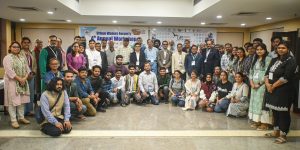 The fourth edition of the Urban Waters Forum was held from February 5-7, 2025, at IIT (ISM) Dhanbad, bringing together 65+ participants from academia, civil society organizations, and journalism. This year, we turned our focus toward small towns of India where much of India’s growth is expected to occur in the coming years. Here, issues of demand and supply, wastewater management and overall institutional capacities will be crucial to address. The city of Dhanbad, given its success in demonstrating water security in low-income neighborhoods, was an ideal choice to host the forum this year. Discussions emphasized the critical role of groundwater and shallow aquifer management in strengthening urban water supply systems in small towns, especially those in Eastern India. The event concluded with discussions on the way forward in urban water management and governance, emphasizing the need to bridge gaps in infrastructure, policy, and community engagement to integrate sustainable water solutions in India’s small towns. Participants visited Tata Steel’s Jamadoba plant where innovative water reclamation practices are followed. The water treatment plant treats water from coal mines for consumption in its employee colonies, showcasing an example of industrial water reuse. Participants also got a chance to visit three Shallow Aquifer Management (SAM) pilot sites selected under the Atal Mission for Rejuvenation and Urban Transformation (AMRUT) initiative and led by the National Institute of Urban Affairs (NIUA). Thanks to our partners, ACWADAM, Megh Pyne Abhiyan, IIT (ISM) Dhanbad, Dhanbad Municipal Corporation, Biome Environmental Trust, and all participants for their invaluable contributions to the success of the Urban Waters Forum 2025!